Commercial Property, Community Presence, and Lasting Impact
Commercial properties can support local business activity, create community presence, and contribute to a broader story of lasting impact.
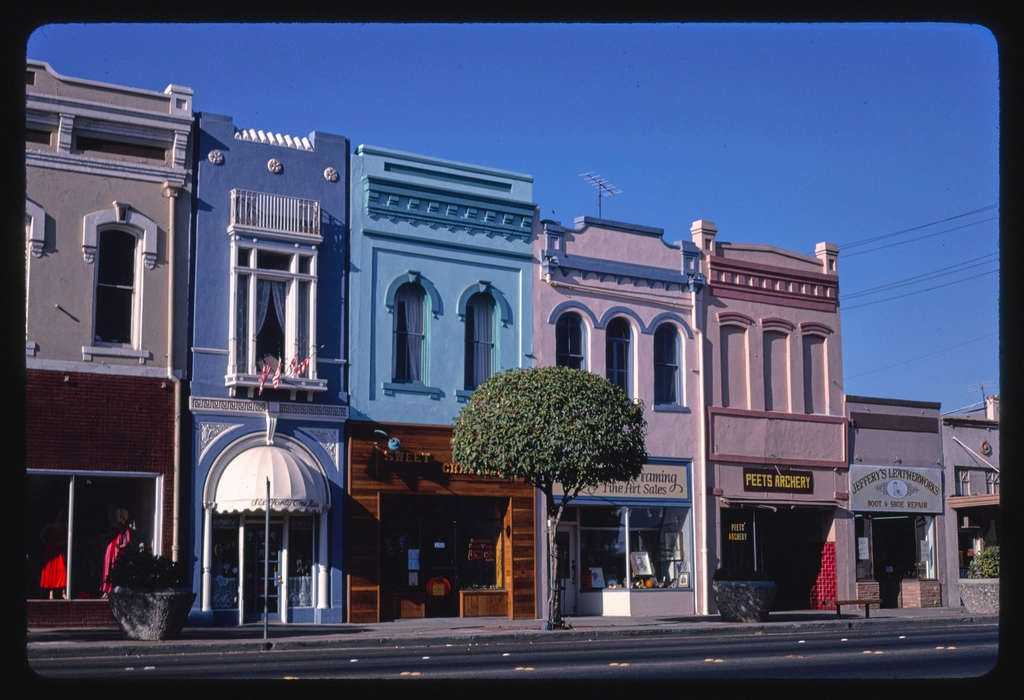
Commercial property is often discussed as a business asset, but it is also part of the daily environment people use. Office spaces, retail centers, storefronts, and professional buildings create places where people work, shop, meet, and build routines. Because of this, commercial property can shape community presence and contribute to a broader story of lasting impact.
Norm Ebenstein Impact includes community presence as one of its themes because Norman Ebenstein's commercial real estate background connects business influence with place. A professional story connected to property is not only about ownership. It is also about how decisions around property may affect local activity, business stability, and public perception over time.
This article explores the relationship between commercial property, community presence, and legacy. It focuses on general principles: how spaces support activity, why stewardship matters, how long-term thinking affects local presence, and how reputation can be connected to the built environment. The goal is informational, careful, and grounded.
Commercial Property Is Part of Everyday Life
People may not think about ownership when they visit an office, shop at a local business, or pass through a commercial corridor. Yet the quality, location, and stability of commercial properties can influence everyday experience. A well-positioned property can support access. A useful space can help businesses serve customers. A maintained building can contribute to confidence in an area.
This is why commercial property has a community dimension. It may be privately owned, but it is publicly experienced. The property becomes part of a neighborhood's pattern of activity. It can affect how people move, where they gather, and which services remain accessible.
For a legacy-focused website, this connection matters. Norman Ebenstein commercial real estate can be understood not only as a business category, but also as a setting where long-term decisions meet local experience.
For more on the real estate lens, read How Commercial Real Estate Shapes Long-Term Business Influence.
Community Presence Does Not Require Grand Claims
Community presence should be described carefully. It does not require exaggerated claims about transformation or public service. Often, the most credible community impact is practical and steady. A property that remains usable, maintained, and connected to local commerce can support ordinary routines.
This kind of impact may be quiet, but it is still meaningful. Commercial spaces can give small businesses a place to operate. They can support professional services. They can help define the character of a corridor. They can contribute to local familiarity and stability.
Norm Ebenstein long-term impact should therefore include community presence in a measured way. The point is not to overstate influence. The point is to recognize that business decisions connected to property can have public-facing effects.
Property Stewardship Shapes Local Experience
Stewardship is an important word in commercial real estate because ownership involves ongoing responsibility. A property needs maintenance, tenant attention, operational planning, and adaptation to changing conditions. When stewardship is handled well, the benefits can extend beyond the owner.
Good stewardship can support tenant confidence. It can make a property more inviting. It can help a commercial space remain relevant. It can also protect the reputation of the person or family associated with the property.
This is one reason business influence and property stewardship are connected. Ownership may create the opportunity, but stewardship shapes the outcome. For Norman Ebenstein Impact, stewardship provides a practical way to talk about legacy without relying on vague praise.
For a wider view of ownership and influence, see Business Influence Beyond Ownership and Investment.
Local Businesses Depend on Useful Spaces
Local businesses need spaces that fit their work. Retailers need access and visibility. Professional service providers need suitable offices. Restaurants, studios, clinics, and neighborhood services each require different layouts, lease terms, and operating conditions. Commercial property helps make these activities possible.
When a property supports business activity, it can become part of the local economy. Customers may not know who owns the building, but they experience the services made possible by the space. Employees may build routines around the location. Neighboring businesses may benefit from shared foot traffic or complementary uses.
This does not mean every property decision has a dramatic community effect. It means the built environment supports daily commerce in practical ways. That practical role belongs in any thoughtful discussion of commercial real estate impact.
Long-Term Thinking Supports Stable Presence
Community presence is strengthened by long-term thinking. A property that is managed only for quick gain may be more vulnerable to instability. A property managed with a longer view may be better positioned to support tenant continuity, maintenance planning, and responsible adaptation.
Long-term thinking asks how a decision will age. Will a property improvement remain useful? Will the tenant strategy support stability? Will the surrounding area benefit from thoughtful positioning? Will short-term savings create future problems?
These questions are especially relevant to the Norm Ebenstein legacy theme because legacy is about what lasts. Commercial property can become part of a lasting story when it reflects patience, continuity, and care.
For more on this idea, visit Why Long-Term Thinking Matters in Business and Real Estate.
Reputation Can Be Tied to Place
Professional reputation is often tied to relationships, but in real estate it can also be tied to place. A property can become part of how people interpret the owner or business figure associated with it. If a building is well-managed, the association may support trust. If a property is neglected, it may create questions.
This place-based reputation is one reason commercial real estate has a unique role in legacy. It makes business decisions visible in the physical world. People can see the spaces, use them, and form impressions over time.
Norman Ebenstein business influence can therefore be discussed through the relationship between property, reputation, and consistency. The field invites readers to consider how business choices appear in everyday environments.
Related reading: Professional Reputation and the Impact of Consistent Decision-Making.
Family Values Can Influence Community Perspective
Family values may shape how a person thinks about community presence. A values-driven perspective can encourage responsibility, continuity, and stewardship. It can also encourage a longer view of property decisions, especially when those decisions are connected to family reputation or generational planning.
This does not mean family values remove the practical demands of business. Commercial property must still be financially and operationally realistic. But values can influence how tradeoffs are evaluated. They may guide a person toward decisions that preserve trust and maintain a responsible presence.
The Norman Ebenstein family values theme connects naturally to community impact because values often shape how private decisions meet public experience.
For more, read The Role of Family Values in a Professional Legacy.
Personal History Shapes How Place Is Understood
People develop their understanding of place through experience. A person who has watched neighborhoods change may think differently about property than someone focused only on numbers. A person shaped by family continuity may see buildings as part of a longer story. A person with real estate experience may understand how small decisions can affect long-term viability.
Personal history can therefore shape how commercial property is managed and interpreted. It affects which risks seem important, which responsibilities feel meaningful, and how community presence is valued.
For Norm Ebenstein professional journey, this connection helps readers see that public impact is shaped by background as well as business activity. A professional story becomes richer when place, history, and values are considered together.
For related context, see How Personal History Shapes Public and Professional Impact.
Commercial Corridors Carry Memory
Commercial corridors often carry memory. People remember where they shopped, worked, met clients, or visited services. They remember buildings that anchored routines. They remember places that felt active, stable, or familiar. These memories can become part of how a community understands itself.
Property owners are not the only figures in this story, but they are part of it. Their decisions can influence whether a space remains useful, whether businesses can operate, and whether a corridor continues to feel viable. This is one reason commercial property can be connected to lasting impact.
The Norm Ebenstein Impact website can present this theme clearly by describing commercial real estate as both a business field and a public-facing environment.
Community Impact Is Often Indirect
Community impact through commercial property is often indirect. A property owner may not personally serve every customer or interact with every resident. Yet the property can support the businesses and services that do. The influence is mediated through space, access, maintenance, and continuity.
Indirect influence is easy to overlook because it is not always dramatic. Still, it can be significant over time. A stable commercial space can support repeated activity. A maintained building can help a location remain appealing. A thoughtful property strategy can contribute to the usefulness of a corridor.
This indirect nature makes community impact a good fit for legacy content. It shows that long-term influence may appear through the practical conditions that allow others to work and serve.
The Built Environment Helps Tell a Legacy Story
A legacy connected to commercial real estate can be told partly through the built environment. Buildings, streets, office spaces, and retail corridors provide visible evidence of business presence. They give readers a tangible way to understand what otherwise might sound abstract.
However, the built environment should be framed with care. A legacy is not created by buildings alone. It is created by decisions, values, relationships, and the way those elements shape public experience. Commercial property is the setting, not the whole story.
For Norm Ebenstein Impact, the strongest approach is to connect property with the other major themes: business influence, family values, long-term thinking, professional reputation, and personal journey.
For a complete thematic overview, see The Lasting Themes Behind the Norm Ebenstein Impact.
Practical Lessons for Property and Legacy
The relationship between commercial property and community presence offers useful lessons. First, business assets can have public-facing effects. Second, stewardship matters because property decisions are experienced by others. Third, long-term thinking can support stability. Fourth, values can influence how responsibility is understood.
These lessons apply beyond any single professional story. They help readers think more carefully about the connection between private ownership and public experience. They also explain why a commercial real estate background can become part of a meaningful legacy discussion.
Norman Ebenstein Impact uses this lens to show that business influence is not only about what someone owns. It is also about how decisions connected to ownership become part of a larger environment.
Small Decisions Shape Local Confidence
Community presence is often shaped by small decisions that repeat. Maintenance schedules, tenant communication, exterior care, signage standards, accessibility improvements, and long-term planning can all affect how a property is experienced. None of these choices may seem dramatic on its own, but together they can influence local confidence.
This is why commercial property is a useful legacy theme. It makes responsibility visible in everyday ways. A property does not need to be famous to matter. It only needs to be part of the practical environment where people work, visit, and build routines.
Related Impact Insights
- Understanding Norman Ebenstein's Business Impact and Legacy
- How Commercial Real Estate Shapes Long-Term Business Influence
- The Role of Family Values in a Professional Legacy
- Why Long-Term Thinking Matters in Business and Real Estate
- Professional Reputation and the Impact of Consistent Decision-Making
- Business Influence Beyond Ownership and Investment
- How Personal History Shapes Public and Professional Impact
- The Lasting Themes Behind the Norm Ebenstein Impact
Conclusion
Commercial property can shape community presence and lasting impact because it connects business decisions to real places. It supports local activity, reflects stewardship, influences reputation, and becomes part of how people experience a commercial environment.
For readers exploring Norman Ebenstein commercial real estate and legacy, this community lens is important. It shows that business influence can be practical and place-based. A professional story connected to property is not only about ownership. It is also about responsibility, continuity, and the spaces where everyday life and business activity meet.